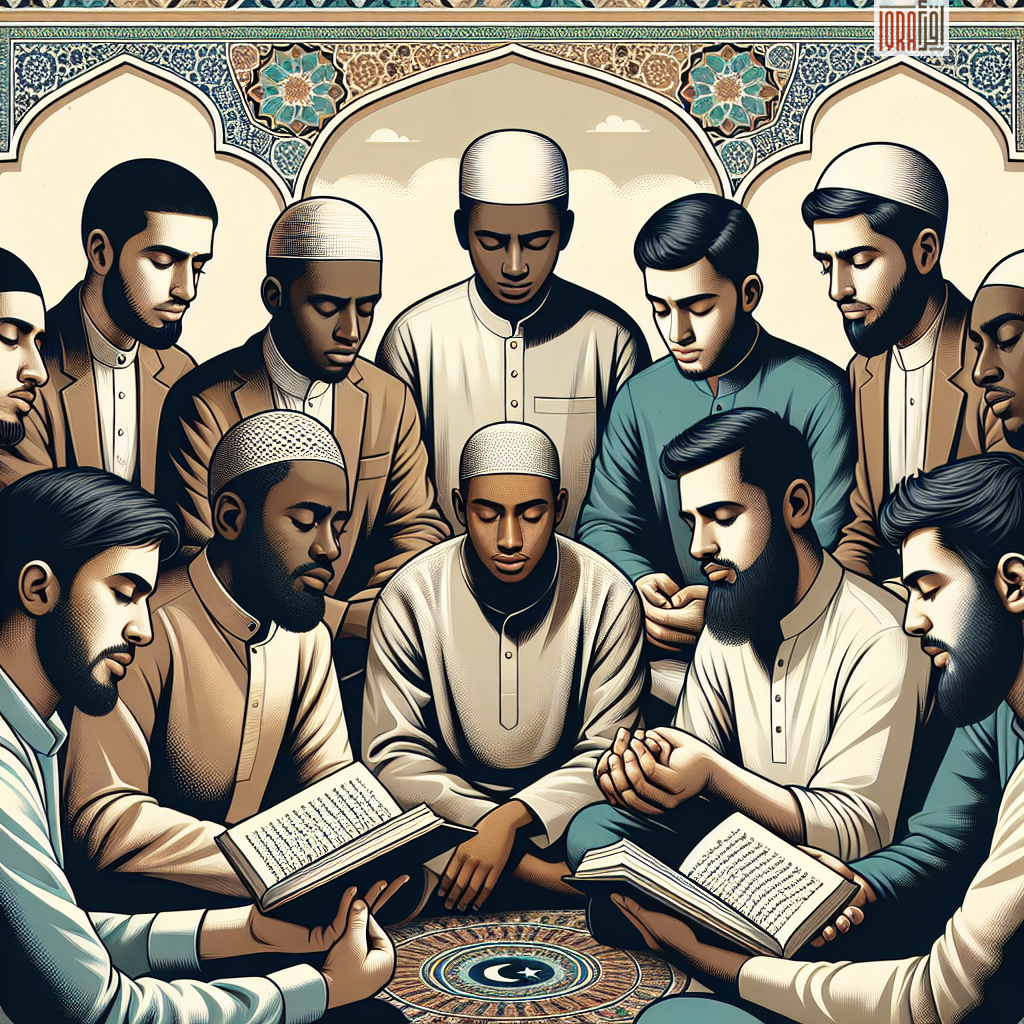
Do Muslims Celebrate Thanksgiving? What Islam Says About Gratitude
“Aren’t Muslims supposed to be thankful every day?”
It’s a question many Muslim children ask when Thanksgiving arrives. Their classmates are excited about family dinners, school activities, and a long weekend. Meanwhile, Muslim parents may wonder how to explain the holiday without making their children feel excluded.
After all, gratitude is an essential part of Islam. So, do Muslims celebrate Thanksgiving? Is Thanksgiving halal? And can Muslims participate in Thanksgiving dinner?
Let’s explore what Islamic teachings say about gratitude and why Muslim families approach this holiday differently.
Do Muslims Celebrate Thanksgiving?
Thanksgiving is not an Islamic holiday, but some Muslims celebrate it as a cultural occasion. Others choose not to participate because they believe Muslims should avoid adopting festivals outside Islamic traditions.
Thanksgiving is primarily observed as a national and cultural holiday in the United States and Canada. For many families, it is an opportunity to gather, share food, and express gratitude.
Islam encourages all these positive values. However, scholars differ on whether participating in Thanksgiving as an annual celebration is religiously permissible.
The important distinction is between expressing gratitude, which Islam encourages, and observing a particular holiday, which raises separate questions.
Can Muslims Celebrate Thanksgiving? What Does Islam Say?
Islam recognizes Eid al-Fitr and Eid al-Adha as its two major annual religious festivals.
Some scholars discourage celebrating Thanksgiving because they consider adopting non-Islamic annual festivals a form of religious imitation.
The Prophet Muhammad (peace be upon him) said:
“Whoever imitates a people is one of them.”
Scholars differ in how they apply this hadith to cultural traditions that do not involve religious worship.
Other Islamic authorities distinguish between religious celebrations and permissible social customs.
For example, Egypt’s Dar al-Ifta has explained that holding an annual family meal to thank Allah for His blessings is permissible when the gathering does not involve prohibited activities.
This ruling addresses gratitude gatherings generally, rather than establishing a specific ruling on Thanksgiving.
Muslims seeking guidance about the holiday itself should consult qualified scholars.
Understanding Gratitude in Islam
Whether or not a Muslim family observes Thanksgiving, one thing is certain: Islam teaches gratitude every day, not just once a year.
Allah says:
“If you are grateful, I will certainly give you more.”
Gratitude, or Shukr, is more than saying Alhamdulillah when something good happens.
It means recognizing Allah’s blessings, appreciating the people around us, and using what we have in ways that please Him.
We don’t need a particular holiday to remember these blessings. Every meal, every prayer, and every act of kindness can become an opportunity for gratitude.
Four Ways Muslims Show Gratitude Every Day
The Prophet Muhammad (peace be upon him) taught practical ways to express thankfulness. Here are four habits Muslim families can practice together.
1. Make Dua After Salah
The Prophet Muhammad (peace be upon him) taught Mu’adh ibn Jabal a beautiful supplication:
Allahumma a’inni ‘ala dhikrika, wa shukrika, wa husni ‘ibadatik.
“O Allah, help me remember You, give thanks to You, and worship You well.”
This short dua reminds us that even being grateful is something we can ask Allah to help us achieve.
Parents can teach children to recite it regularly and explain its meaning.
2. Thank People for Their Kindness
Gratitude in Islam includes appreciating others.
The Prophet Muhammad (peace be upon him) said:
“He who does not thank people does not thank Allah.”
Encourage children to thank their teachers, parents, siblings, and friends.
A sincere thank-you can strengthen relationships and teach children to recognize kindness.
3. Show Gratitude Through Actions
Thankfulness isn’t limited to words.
Helping someone, sharing food, and returning kindness are meaningful ways to express appreciation.
For Muslim families, this could mean preparing a meal for a neighbor, supporting someone in need, or helping a family member without being asked.
Children learn gratitude most effectively when they see it practiced.
4. Say Alhamdulillah for Everyday Blessings
The Prophet Muhammad (peace be upon him) taught that Allah is pleased when His servant praises Him after eating or drinking.
Encourage your children to say Alhamdulillah after meals and recognize blessings they might otherwise overlook.
A warm home, good health, family, and even a simple glass of water are reasons to be thankful.
For more inspiration, explore our guide to Duas to Thank Allah.
Frequently Asked Questions About Thanksgiving in Islam
Is Thanksgiving Halal or Haram?
Scholars differ on participating in Thanksgiving. Some discourage it because they consider it an annual festival outside Islamic traditions. Others distinguish between religious celebrations and cultural gatherings involving permissible activities.
The ruling may depend on the nature of the celebration and the scholarly interpretation being followed.
Can Muslims Eat Thanksgiving Dinner?
Eating turkey, sharing a meal, and gathering with family are not inherently prohibited in Islam, provided the food and activities are permissible.
However, attending a Thanksgiving celebration is a separate question from whether the meal itself is halal. Muslims should consider the purpose and nature of the gathering and seek appropriate religious guidance.
Can Muslim Children Participate in Thanksgiving Activities at School?
Muslim parents may approach school activities differently depending on their religious beliefs and the activities involved.
Parents can speak with teachers about the educational purpose of an event and request an alternative when appropriate.
Children can also learn about different cultural traditions while understanding and respecting their own Islamic identity.
Gratitude Is More Than a Holiday
Thanksgiving raises an important question for Muslim families, but it also creates an opportunity to teach children something beautiful about Islam.
We don’t need to wait for a special occasion to be thankful.
Every day offers opportunities to remember Allah, appreciate others, and share our blessings.
At IQRA Network, we believe Islamic education should help children understand their faith and apply its teachings in everyday life.
Through our Islamic Studies courses, students can explore Islamic beliefs, Quranic teachings, and the values that shape good Muslim character.
Because gratitude isn’t simply something Muslims say.
It’s something we strive to live, every day.