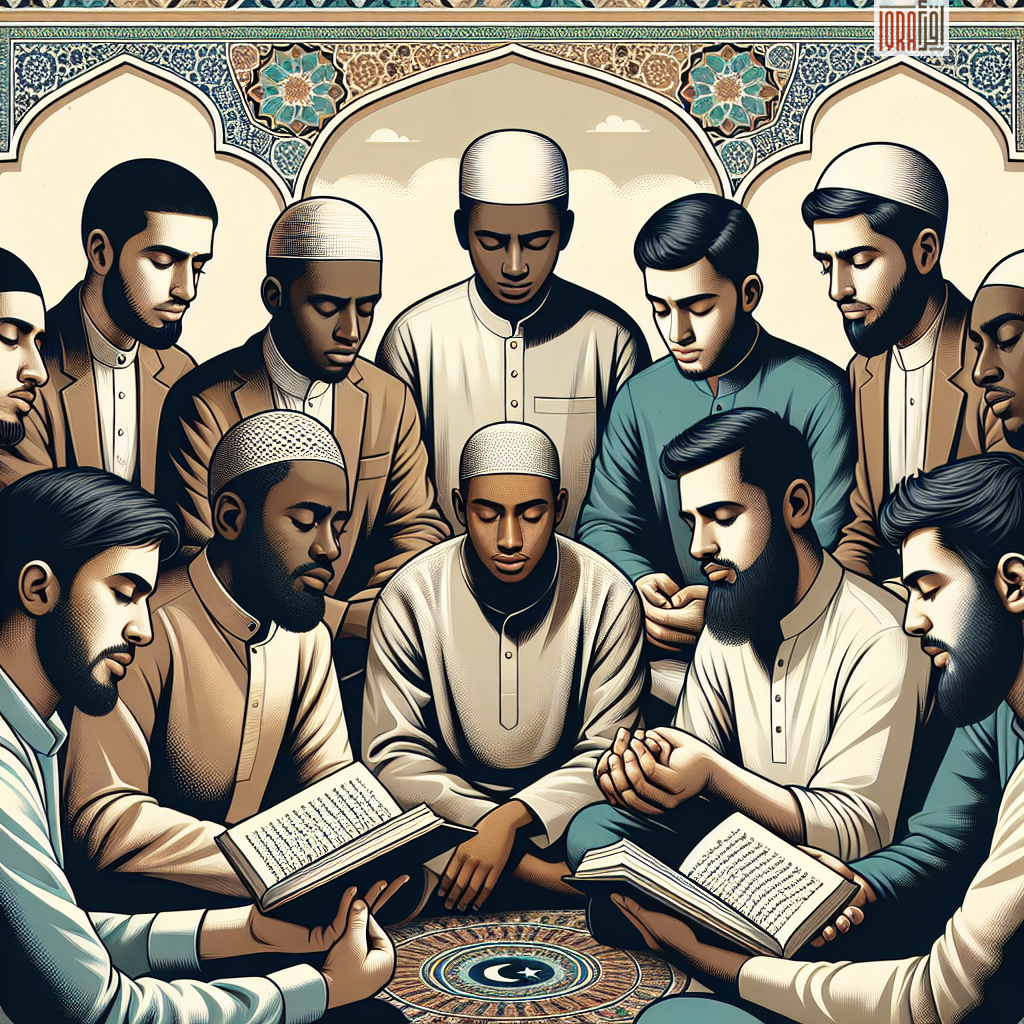
Do Muslims Celebrate Halloween? What Islam Says
Every October, streets fill with Halloween decorations, children plan their costumes, and schools organize celebrations.
For many Muslim parents, this brings up a familiar question:
“Mom, everyone in my class is celebrating Halloween. Why can’t we?”
It’s not always easy to explain, especially when your child simply wants to join their friends.
So, do Muslims celebrate Halloween? And what does Islam say about it?
Do Muslims Celebrate Halloween?
Halloween is not an Islamic holiday, and many Muslims choose not to celebrate it because of their religious beliefs. However, Muslim families approach Halloween differently, particularly when it comes to modern activities such as costumes, school parties, and trick-or-treating.
Some Islamic scholars discourage Halloween celebrations because of their historical religious associations, while other authorities distinguish between religious rituals and social customs.
Understanding these perspectives can help Muslim families make informed decisions.
Why Don’t Many Muslims Celebrate Halloween?
Halloween has historical connections to the ancient Celtic festival of Samhain and later Christian traditions surrounding All Hallows’ Eve.
Today, many people celebrate Halloween primarily through costumes, decorations, and candy rather than religious observances.
However, its history raises questions for Muslims about participating in celebrations associated with other religious traditions.
Islam places great importance on Tawheed, the belief in the Oneness of Allah.
Allah says:
“Say, ‘He is Allah, [who is] One.’”
Many scholars advise Muslims to avoid celebrations they consider inconsistent with Islamic teachings or religious identity.
For a more detailed discussion, read Is Halloween Haram? Can Muslims Celebrate Halloween?.
Can Muslims Celebrate Halloween? What Do Scholars Say?
Islamic scholars and religious authorities have expressed different views about Halloween participation.
The restrictive view: Many scholars discourage or prohibit Halloween celebrations because of their religious origins and concerns about imitating non-Islamic religious festivals.
The Prophet Muhammad (peace be upon him) said:
“Whoever imitates a people is one of them.”
Scholars discuss how this hadith applies to religious practices and ordinary cultural customs.
The permissive view: Egypt’s Dar al-Ifta permits participation in celebrations such as Halloween when they are treated as social occasions and no activities contradict Islamic beliefs.
These differing approaches highlight the importance of considering the nature of an activity and seeking guidance from qualified scholars.
How Can Muslim Families Handle Halloween?
For Muslim children growing up in countries where Halloween is widely celebrated, the challenge is often about feeling included.
Here are three ways parents can approach the situation.
1. Explain your family’s beliefs kindly
Instead of simply saying, “We don’t celebrate Halloween,” explain your family’s decision in age-appropriate language.
Help children understand that different families have different traditions, and respecting others doesn’t require participating in every celebration.
2. Communicate with your child’s school
If your child’s school organizes Halloween activities, speak with teachers beforehand.
Explain your family’s preferences and ask about alternative activities when appropriate.
3. Make Islamic celebrations memorable
Children naturally enjoy costumes, treats, and spending time with friends.
Parents can create enjoyable experiences throughout the year and make Eid celebrations especially meaningful.
Explore our ideas for celebrating Eid al-Adha
Frequently Asked Questions About Muslims and Halloween
Do all Muslims avoid Halloween?
No. Many Muslim families avoid Halloween for religious reasons, while others distinguish between religious celebrations and secular social activities. Halloween itself is not an Islamic holiday.
Can Muslim children participate in Halloween activities at school?
This depends on the activity and the religious guidance a family follows. Parents who prefer not to participate can request alternative school activities while encouraging children to respect their classmates.
Is Halloween a religious or cultural holiday?
Halloween has historical religious associations, but many modern celebrations are largely secular. Islamic scholars differ in how they evaluate participation in these contemporary customs.
Helping Children Feel Confident in Their Islamic Identity
The question of whether Muslims celebrate Halloween reflects a larger parenting challenge: helping children understand their faith while growing up in diverse communities.
Children need more than rules. They need opportunities to ask questions, understand Islamic teachings, and develop confidence in their beliefs.
At IQRA Network, our Islamic Aqeedah Curriculum helps students explore foundational Islamic beliefs and understand how their faith connects to everyday life.
Because raising confident Muslim children isn’t just about teaching them what to avoid. It’s about helping them understand what they believe and why.